
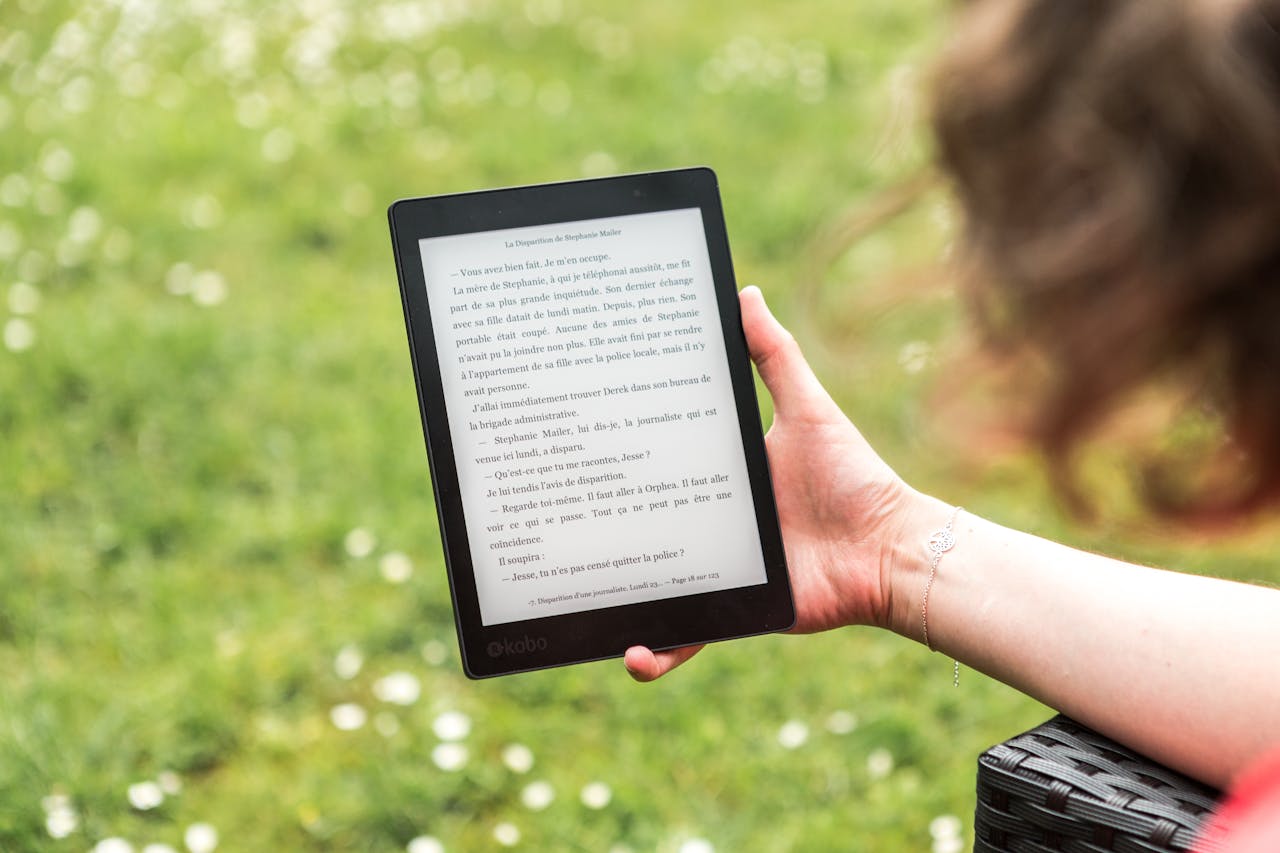
When you buy a physical book, ownership is straightforward. You can keep it, lend it, resell it or give it away. With ebooks, the situation is far less clear. Many readers assume that purchasing an ebook confers the same rights as buying a printed book, but that assumption is often incorrect.
Taking out a loan via a company like Pounds to Pocket can provide short-term financial relief for individuals who are struggling to make ends meet on benefit payments. It can help cover essential expenses such as rent, utility bills, food, or travel costs, preventing more serious consequences like arrears or service disconnection. A loan may also reduce stress by offering immediate access to funds during an emergency. In some cases, borrowing can allow people to manage unexpected costs and spread repayments over time, making budgeting easier. When used responsibly and with affordable repayment terms, a loan can act as a temporary safety net.
This article explains what ebook “ownership” actually means, why it differs from print, and what readers should understand before building large digital libraries.
Buying an Ebook Is Usually a Licence
In most cases, purchasing an ebook does not mean owning a copy in the traditional sense. Instead, readers are buying a licence to access the content under specific terms.
This licence typically allows you to:
-
Read the book on approved devices or apps
-
Download it for personal use
-
Re-download it if you change devices
It does not usually grant the rights associated with physical ownership, such as resale or unrestricted sharing.
Why Digital Ownership Works Differently
Ebooks are software as well as text. Because they can be copied perfectly and distributed instantly, publishers and retailers rely on licensing models to control distribution.
This approach protects commercial interests, but it also shifts power away from readers. Access to ebooks becomes dependent on accounts, platforms and policies rather than possession of a physical object.
This difference is the root of much confusion and frustration around digital ownership.
What DRM Actually Does
Digital rights management, commonly known as DRM, is the mechanism used to enforce ebook licences.
DRM can:
-
Restrict copying and sharing
-
Limit which devices or apps can open a book
-
Disable text-to-speech or accessibility features
-
Tie access to a specific account or platform
Two ebooks can look identical on screen while behaving very differently behind the scenes because of DRM.
Can Ebooks Be Taken Away?
In rare cases, yes.
Because access is tied to accounts and licences, ebooks can be removed if:
-
A retailer loses the rights to sell a title
-
An account is closed or suspended
-
A platform changes its policies
These situations are uncommon, but they highlight the difference between ownership and access. A physical book cannot be revoked remotely.
Lending, Sharing and Reselling
Traditional book rights do not automatically apply to ebooks.
Most ebooks cannot be resold, and lending is usually limited or unavailable. Some platforms allow controlled lending for short periods, but this is not equivalent to giving a book to a friend.
Sharing files outside permitted systems typically violates licence terms, even if no money changes hands.
Libraries and Digital Ownership
Library ebooks operate under similar licensing models, but with different expectations. Readers never own library ebooks; they borrow access for a fixed period.
This model is familiar and transparent. Problems arise when purchased ebooks behave more like borrowed ones than readers expect.
Understanding the distinction helps avoid disappointment.
DRM-Free Ebooks and Real Control
Some publishers sell ebooks without DRM. These files can be stored, backed up and read on a wide range of devices without restrictions.
DRM-free ebooks offer:
-
Greater long-term security
-
Full use of accessibility features
-
Independence from specific platforms
-
Easier migration between devices
While licences still apply, the practical experience is much closer to true ownership.
What Happens Over the Long Term?
Digital ownership matters most over time.
Questions worth considering include:
-
Will this ebook still be readable in ten years?
-
What happens if the platform shuts down?
-
Can I back up my library independently?
Readers who value permanence often favour open formats and DRM-free sources for this reason.
Making Informed Choices as a Reader
Readers cannot change the licensing system, but they can make informed decisions.
Before buying, it helps to:
-
Understand the platform’s terms
-
Consider whether DRM-free options exist
-
Use libraries for short-term access
-
Reserve purchases for books you want to keep
Being selective reduces dependence on any single retailer.
Ownership Is About Expectations
The biggest problem with ebooks is not licensing itself, but mismatched expectations. Readers assume they are buying books, when in reality they are often buying access.
When those expectations are aligned, frustration decreases. Digital ownership may never mirror print ownership perfectly, but understanding its limits allows readers to build libraries that remain usable, accessible and meaningful over time.